
The New Rules of SEO: Adapting to Consumer Decision-Making in 2025
Traditional SEO is failing because consumers don’t just search anymore—they decide across multiple platforms. While Google gets 27% of search activity, the other 73% happens on TikTok, Reddit, ChatGPT, Amazon, and YouTube. Success requires “Search Everywhere Optimization” or what we are calling the Omni Surface Appraoch (OSA). That means being strategically present where decisions are made, not just where searches begin. Focus on validation (being mentioned in conversations) over visibility (showing up in results). Some of the best performing ads are woven into the natural text and body of a page. No wonder Google’s new AI Mode is doing this.
Key Takeaways
- Why Google-Only SEO Is Dead – Google only captures 27% of search activity
- How Modern Consumers Actually Decide – Decisions happen across platforms simultaneously
- The New SEO Framework – Search Everywhere Optimization explained
- Platform-Specific Strategies – Each platform requires unique approaches
- Validation Beats Visibility – Being mentioned matters more than just showing up
- How to Prioritize Platforms – RICE framework for smart resource allocation
- Creating Cross-Platform Synergy – How success compounds across platforms
The Shift in Consumer Behavior
Consumers aren’t searching anymore. At least not in the traditional sense. They are deciding, and they are doing it in unexpected places and ways. From TikTok comments to Reddit threads, ChatGPT answers, Amazon reviews, and even YouTube videos, these are the new decision-making moments. If your strategy still revolves around optimizing for rankings, reach, or relevance without understanding how decisions are made today, you risk becoming invisible.
For years, businesses have been focused on the Google game, obsessing over rankings, tweaking meta descriptions, building backlinks, and chasing that coveted page one spot. While this was once the norm, the landscape has changed dramatically. Google handles about 13.7 billion searches a day, which sounds impressive, but it only accounts for 27% of all search activity on the internet. The remaining 73% is scattered across platforms like Instagram, TikTok, Amazon, Reddit, YouTube, and ChatGPT—platforms that many businesses overlook as search engines.
The Google Trap
The problem lies in what I call the Google trap. Businesses optimize for visibility in one place while their customers are making decisions elsewhere. As a result, traffic may appear decent, but conversions remain flat. Rankings might be solid, yet sales stagnate because businesses are showing up in search but missing the critical decision moments.
Understanding the Modern Consumer Journey
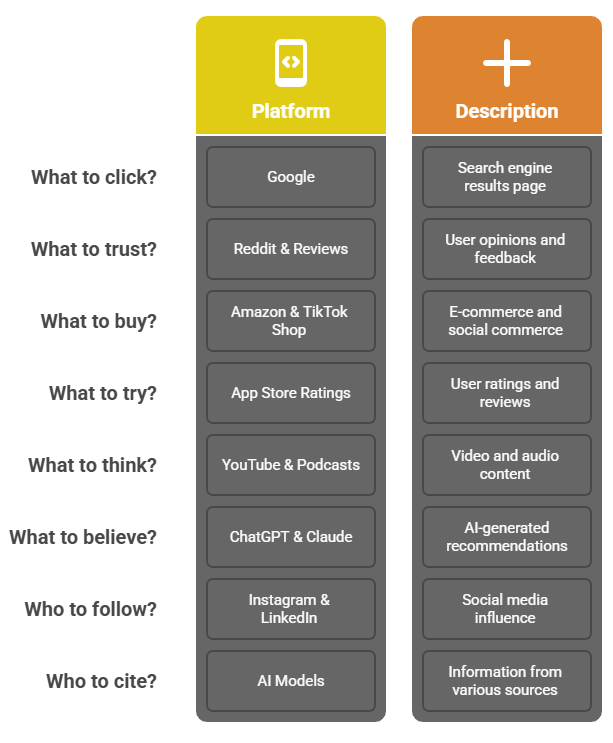
The traditional consumer journey is no longer a linear funnel; it has transformed into a constellation of micro-decisions. Here’s how it breaks down:
- What to click? This happens on Google.
- What to trust? This is determined by Reddit threads and reviews.
- What to buy? Consumers look to Amazon and TikTok Shop.
- What to try? App store ratings come into play.
- What to think? YouTube videos and podcasts provide insights.
- What to believe? AI models like ChatGPT and Claude offer recommendations.
- Who to follow? Platforms like Instagram and LinkedIn influence this decision.
- Who to cite or reference? AI pulls information from various sources.
These decisions occur simultaneously, often within minutes. A consumer might see a product on TikTok, check reviews on Amazon, validate it in a Reddit thread, ask ChatGPT for alternatives, and then make a purchase—all without visiting the brand’s website.
Introducing Search Everywhere Optimization
With the old SEO playbook no longer effective, a new approach is necessary: Search Everywhere Optimization. This strategy involves optimizing for every platform where decisions are made, not just Google. SEO isn’t dead; it has simply expanded. Instead of focusing solely on being found on Google, businesses must aim to be chosen across the entire internet.
Strategic Presence Over Volume
Search Everywhere Optimization is not about posting everywhere every day. It’s about strategic presence. When someone asks ChatGPT for recommendations, your brand should be included in the response. When consumers check Reddit for opinions, your company needs to be mentioned. When browsing Amazon, your reviews must be visible. Each platform serves a different psychological function in the decision-making process, and businesses must adapt their strategies accordingly.
Platform-Specific Strategies
Many businesses make the mistake of using the same strategy across all platforms. They might copy and paste a blog post to LinkedIn, post snippets on Instagram, and create a YouTube video from the same content. However, each platform operates as its own decision engine with unique algorithms and user behaviors. Here are some examples of how to tailor content for different platforms:
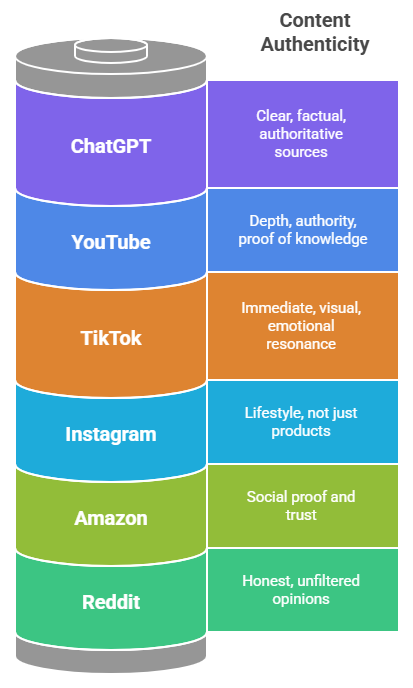
- TikTok: Focus on emotions and novelty. Content should be immediate, visual, and resonate emotionally.
- YouTube: Emphasize retention and perceived expertise. Provide depth, authority, and proof of knowledge.
- ChatGPT: Prioritize citations and semantic clarity. AI models require clear, factual information from authoritative sources.
- Amazon: Leverage social proof and trust. Consumers often skip product descriptions and head straight to reviews.
- Instagram: Create aspirational content. Users are buying into a lifestyle, not just products.
- Reddit: Maintain raw authenticity. Avoid marketing jargon; users seek honest, unfiltered opinions.
The Importance of Validation
Visibility does not equate to success. Many marketers mistakenly believe that high visibility means they are winning. However, visibility is merely the entry fee; what truly drives decisions is validation. Here’s the distinction:
- Visibility: Showing up in search results.
- Validation: Being mentioned in conversations.
For instance, having a TikTok account is visibility, but being referenced by someone else on TikTok is validation. In an age where AI summarizes information based on mentions and trust, being part of the validation network is crucial. If your brand is not cited in Reddit threads, referenced in articles, or reviewed on Amazon, it risks being overlooked by AI decision-making processes.
Prioritizing Platforms with the RICE Framework
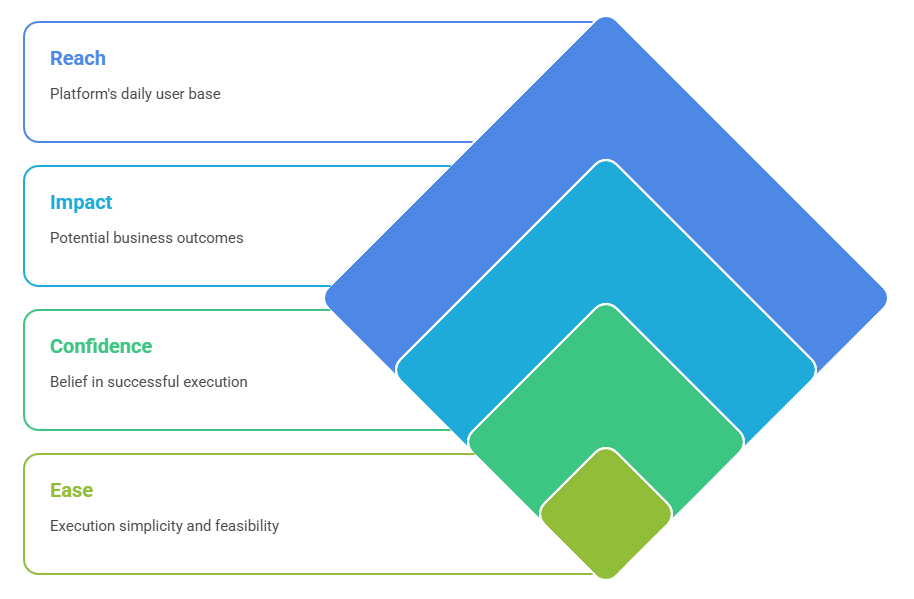
You might wonder if you need to be active on every platform. The answer is no. The beauty of Search Everywhere Optimization is that you only need to be trusted on platforms that matter. To prioritize which platforms to focus on, use the RICE framework:
- R: Reach – How many people search on that platform daily?
- I: Impact – What business impact could this have for you?
- C: Confidence – How confident are you that you can succeed here?
- E: Ease – How easy is it for you to execute?
Score each factor from 1 to 10, multiply by the reach number, and this will guide your focus. For most businesses, this will mean concentrating on two to three platforms initially, rather than spreading efforts too thin.
Compounding Influence Across Platforms
When you successfully establish a presence on one platform, your influence can compound across others. For example, being mentioned in a popular Reddit thread can enhance your Google indexing. Citing your brand in ChatGPT responses reinforces your authority across the board. Dominating Amazon reviews can influence buying decisions initiated on TikTok. It’s not about being on every platform; it’s about being integrated into the decision-making fabric of your industry.
Seizing the Opportunity
Many competitors remain trapped in the Google mindset, still grappling with outdated strategies. This presents a significant opportunity for businesses willing to embrace the new rules of SEO. Start by focusing on one platform outside of Google where your customers are likely to validate their decisions. Build trust there before expanding your efforts elsewhere.
In conclusion, the landscape of SEO has transformed, and businesses must adapt to the new reality of consumer decision-making. By implementing Search Everywhere Optimization and focusing on validation rather than mere visibility, brands can position themselves for success in this evolving digital marketplace.